

Humanity has always looked up at the night sky with wonder. The Moon, once a distant dream, has become a stepping stone, and Mars—the Red Planet—is now on the horizon of human exploration. NASA’s ambitious “Moon to Mars” program is set to redefine space travel, pushing the boundaries of science, technology, and international collaboration.
Understanding NASA’s Moon to Mars Architecture
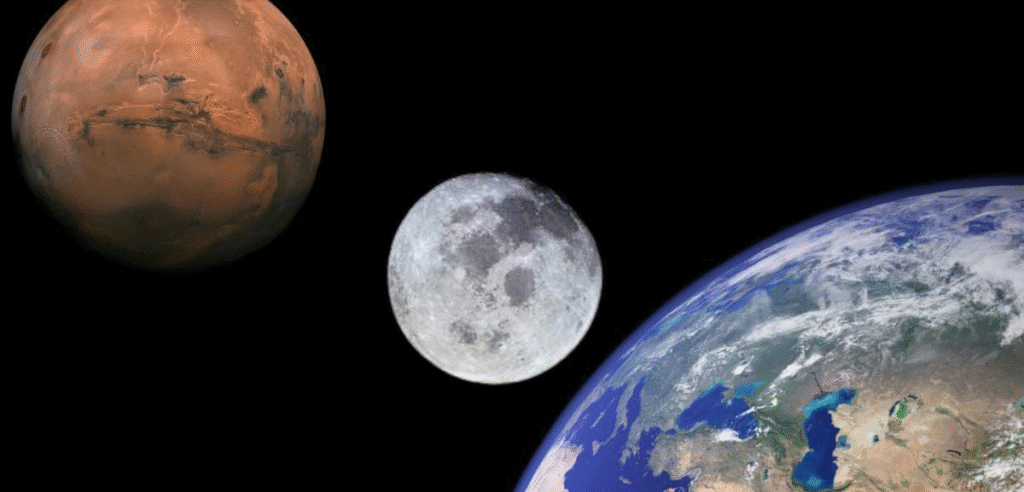
NASA’s Moon to Mars Architecture is not just a plan; it’s a roadmap for humanity’s expansion into deep space. The architecture outlines a step-by-step approach, starting with the Moon and eventually leading to Mars. The primary goals include:
- Developing sustainable lunar infrastructure.
- Testing technologies for deep space survival.
- Establishing long-term strategies for human missions to Mars.
This isn’t just science fiction. NASA is turning vision into action, combining advanced spacecraft, life-support systems, and international cooperation.
The Artemis Program: First Steps Back to the Moon
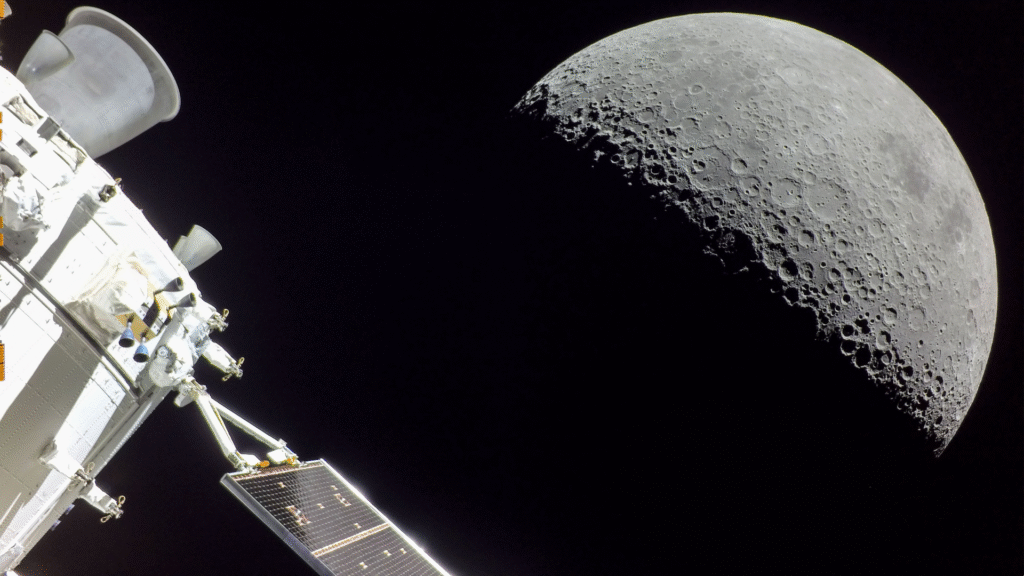
The Artemis program is the cornerstone of the Moon to Mars journey. Key highlights:
- Return to the Moon: By 2026, NASA aims to land astronauts on the lunar surface, including the first woman and next man.
- Lunar Gateway: A small space station orbiting the Moon, which will serve as a staging point for deeper space missions.
- Technology Testing: Everything from habitats to life-support systems, and in-situ resource utilization (like using lunar soil for construction) will be tested for long-term space travel.
These lunar missions are critical: what we learn on the Moon will directly impact the safety and success of future Mars missions.
Core Components of the Moon to Mars Plan
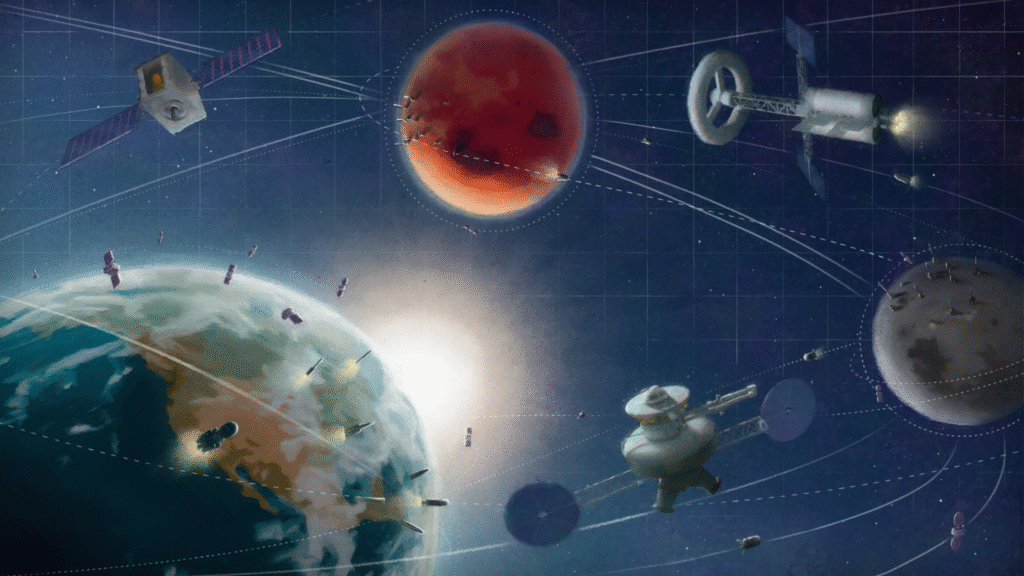
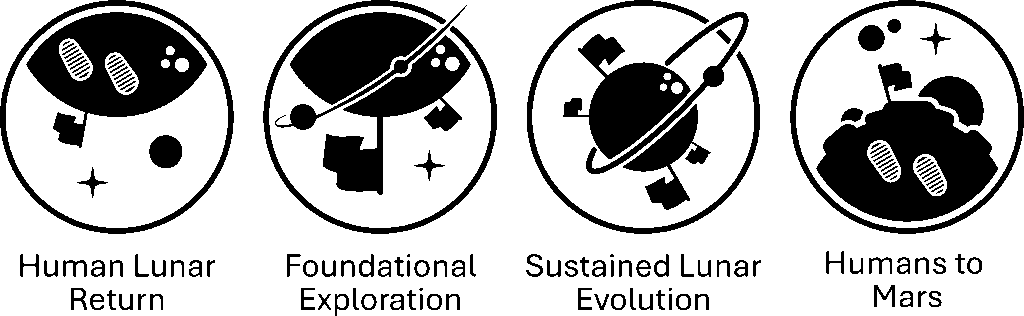
NASA’s journey to Mars is divided into four main stages:
1. Human Lunar Return
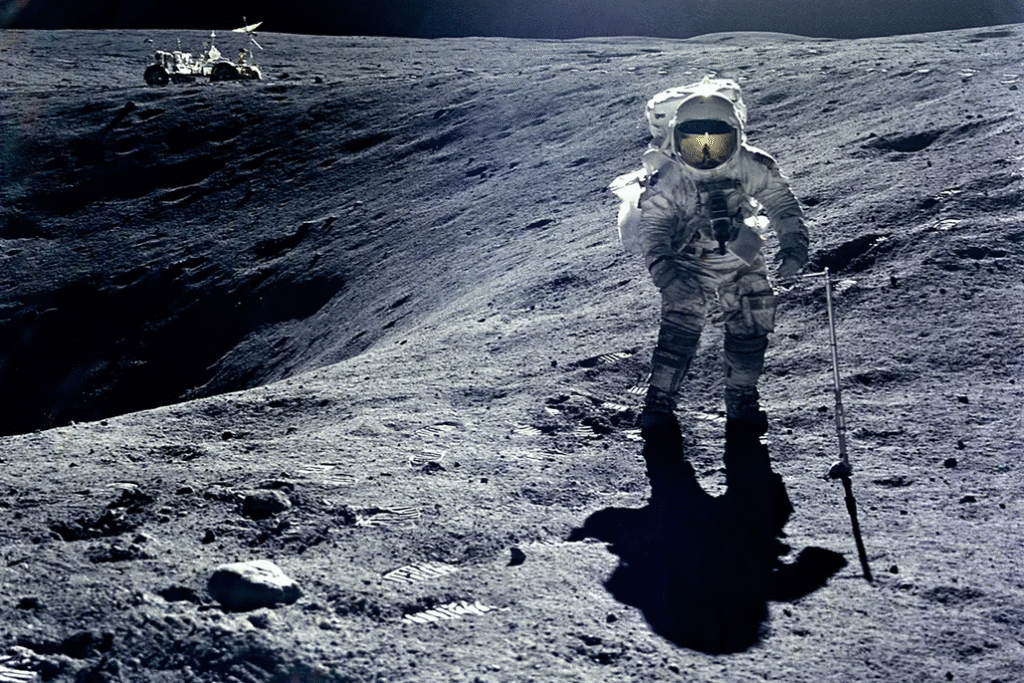
- Focuses on safe crew transport, cargo missions, and establishing lunar communication networks.
- Tests technologies like advanced propulsion, landing systems, and radiation protection, all vital for Mars missions.
2. Foundational Exploration
- Lays the groundwork for sustainable lunar presence.
- Develops infrastructure for energy, water, and life-support systems, critical for Mars habitats.
3. Sustained Lunar Evolution
- Long-term goals include permanent lunar habitats and using local resources to reduce reliance on Earth.
- This stage tests self-sufficient living, a practice that will be crucial for Mars colonization.
4. Humans to Mars
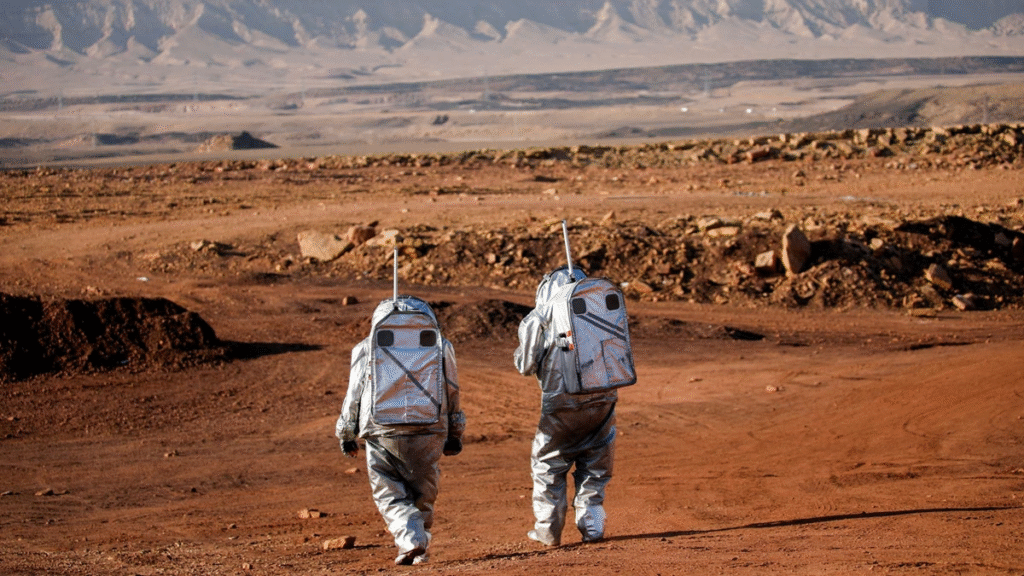
- The ultimate goal: sending humans to Mars for research, exploration, and potential colonization.
- Focus areas include surface power generation, health and safety systems, and landing technologies.
International Collaboration

NASA isn’t going it alone. The Moon to Mars program involves global partnerships, leveraging expertise from:
- Space agencies like ESA (Europe), JAXA (Japan), and CSA (Canada).
- Private companies such as SpaceX and Blue Origin, helping with spacecraft and rockets.
- Academic institutions, driving innovation in robotics, AI, and materials science.
This collaboration ensures shared knowledge, cost-efficiency, and global participation in humanity’s next giant leap.
Scientific and Ethical Implications
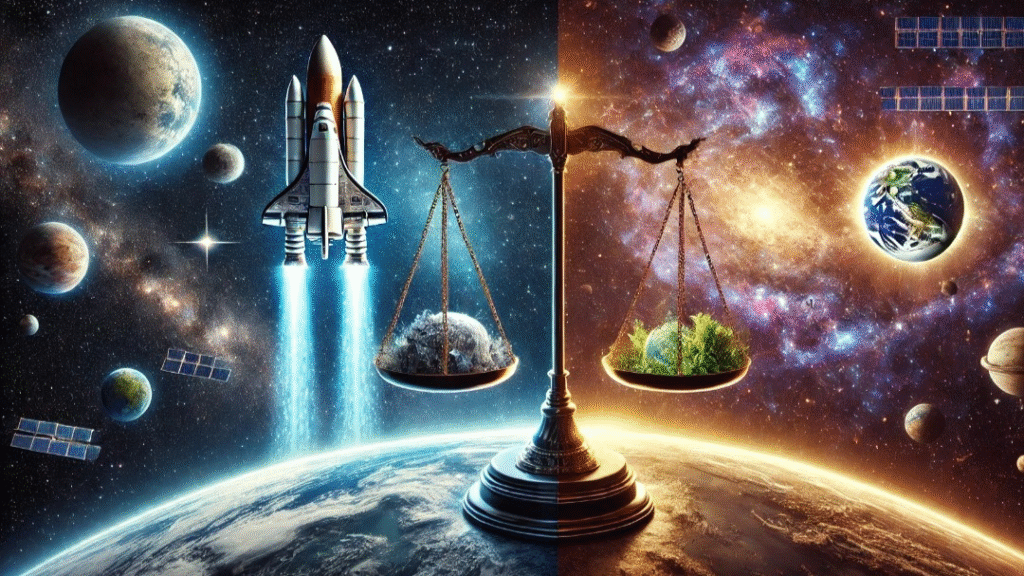
Exploring Mars isn’t just about technology; it raises ethical, legal, and societal questions:
- How do we protect alien ecosystems from contamination?
- What governance rules should be established for Mars settlements?
- How do we balance exploration with sustainability?
NASA is taking these questions seriously, ensuring the Moon to Mars missions are responsible, ethical, and forward-thinking.
The Future of Interplanetary Travel

NASA’s Moon to Mars roadmap is dynamic, adapting as new technologies emerge. By 2026, we’ll see:
- Refined lunar missions that demonstrate human survival in space.
- Testing of Mars-bound technologies like deep-space habitats and advanced propulsion.
- Collaboration workshops to plan the first Mars crewed mission.
In the coming decades, humans could live and work on Mars, turning science fiction dreams into reality.
Conclusion
From walking on the Moon to setting foot on Mars, NASA’s journey represents the next era of human exploration. It’s a story of curiosity, courage, and innovation, showing that when humanity dreams together, the stars are within reach.
NASA’s Moon to Mars program isn’t just about space; it’s about the future of humanity itself—a future where we are truly a multi-planetary species.
#MoonToMars #NASAExploration #ArtemisProgram #SpaceInnovation #MarsMission #HumanSpaceflight #NextGiantLeap #DeepSpaceTravel #AstronomyLovers #SpaceTechnology #Carrerbook #anslation
Leave a Reply