
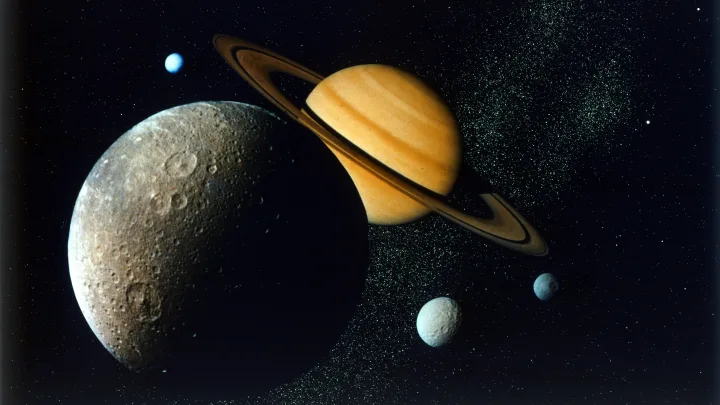
The vastness of space has always fascinated humanity. From staring at the night sky as a child to learning about distant planets in school, the Solar System has a magical allure. Our cosmic neighborhood is more than just the Sun and eight planets; it’s a realm filled with mysteries, wonders, and secrets waiting to be uncovered. Here’s a journey through our Solar System, revealing the fascinating secrets of each celestial body.
1. The Sun: The Heart of Our Solar System
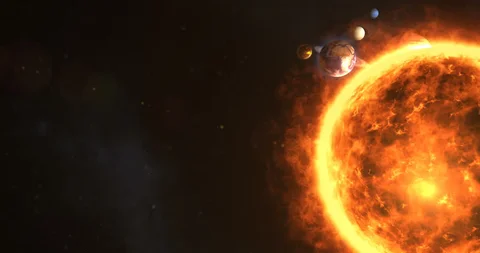

No exploration of the Solar System can start without the Sun. This gigantic ball of gas, mainly hydrogen and helium, is the ultimate source of energy for all life on Earth.
- Personal Note: I remember as a kid, I was amazed by solar eclipses. Watching the Sun disappear behind the Moon felt like witnessing a cosmic dance!
- Fun Fact: The Sun’s gravity keeps all the planets in orbit, acting like an invisible tether across millions of kilometers.
- Secret: Solar storms from the Sun can disrupt satellites and even power grids on Earth. Scientists constantly study the Sun to predict these events.
2. Mercury: The Smallest Planet with Big Surprises
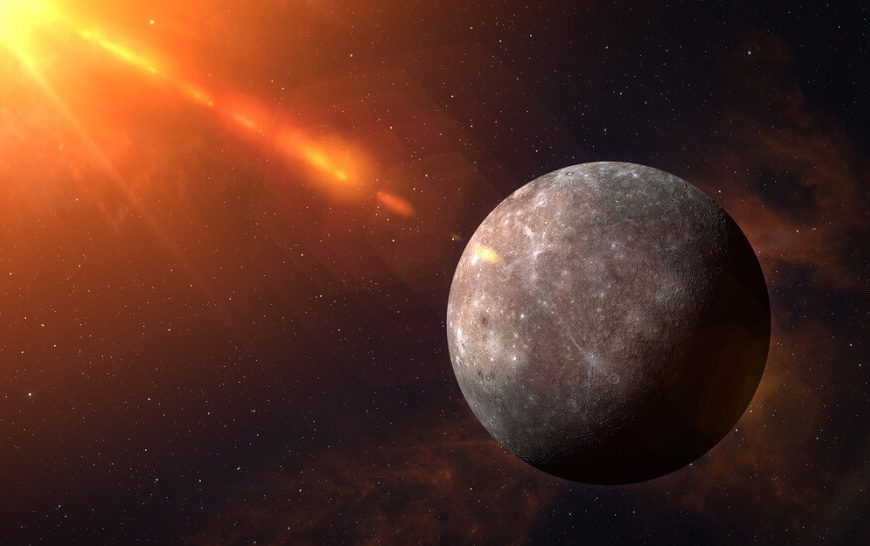
Mercury is often overlooked because it’s so close to the Sun, but it has its own fascinating story.
- Extreme Conditions: Temperatures on Mercury can swing from -173°C at night to 427°C during the day! Imagine living there!
- Surface Secrets: Mercury has craters similar to our Moon and even a thin, mysterious atmosphere called an exosphere.
3. Venus: The Hottest Planet
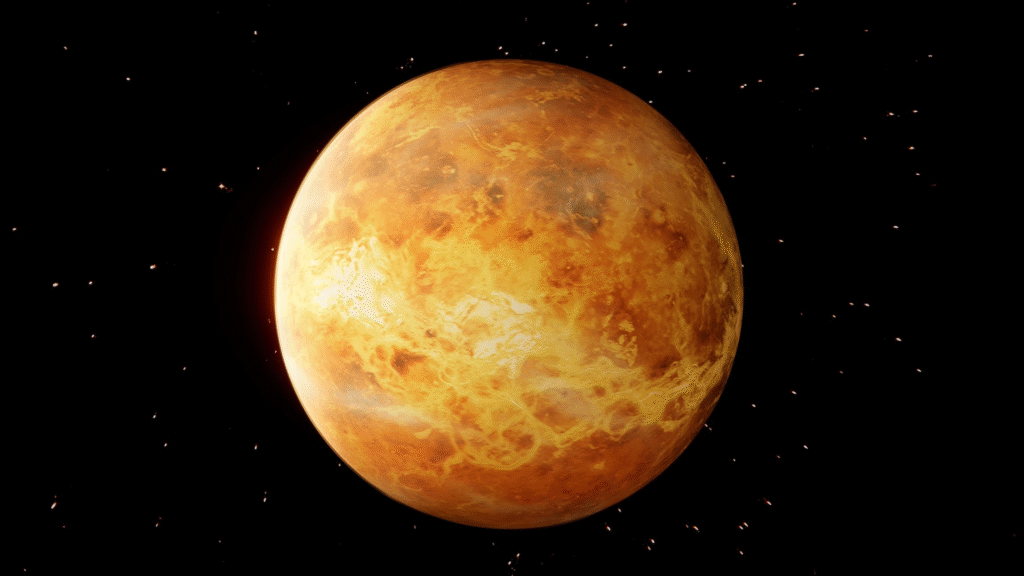
Venus is often called Earth’s twin due to its similar size, but that’s where the similarities end.
- Personal Observation: Reading about Venus’ thick clouds reminded me of the importance of protecting Earth’s atmosphere.
- Extreme Heat: Surface temperatures reach up to 465°C, hot enough to melt lead.
- Mystery: Venus rotates backward compared to most planets, a phenomenon called retrograde rotation.
4. Earth: Our Precious Home
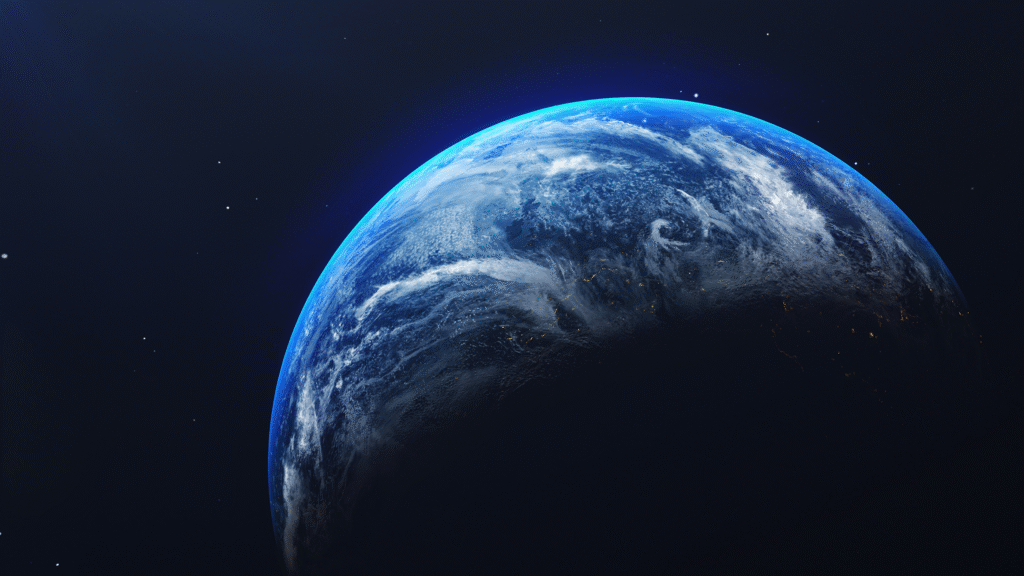
Earth is the only planet known to support life. It’s the blue gem in our cosmic neighborhood.
- Personal Reflection: Every time I look at Earth from a space photo, I feel a sense of gratitude. It’s our home, and we must protect it.
- Secret: Earth’s magnetic field shields us from harmful solar radiation, making life possible.
5. Mars: The Red Planet and the Search for Life
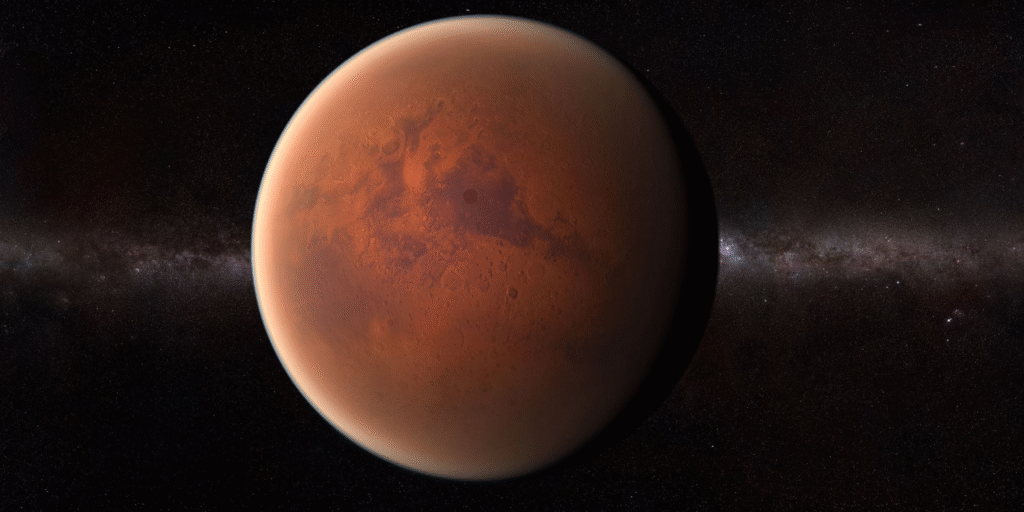
Mars has always been a planet of dreams—humans hope to explore it someday.
- Surface Wonders: Red rocks, gigantic volcanoes like Olympus Mons, and the longest canyon, Valles Marineris.
- Water Mystery: Signs of ancient rivers and ice suggest Mars might have supported life long ago.
- Personal Thought: The idea that humans might walk on Mars in my lifetime is thrilling!
6. Jupiter: The Gas Giant
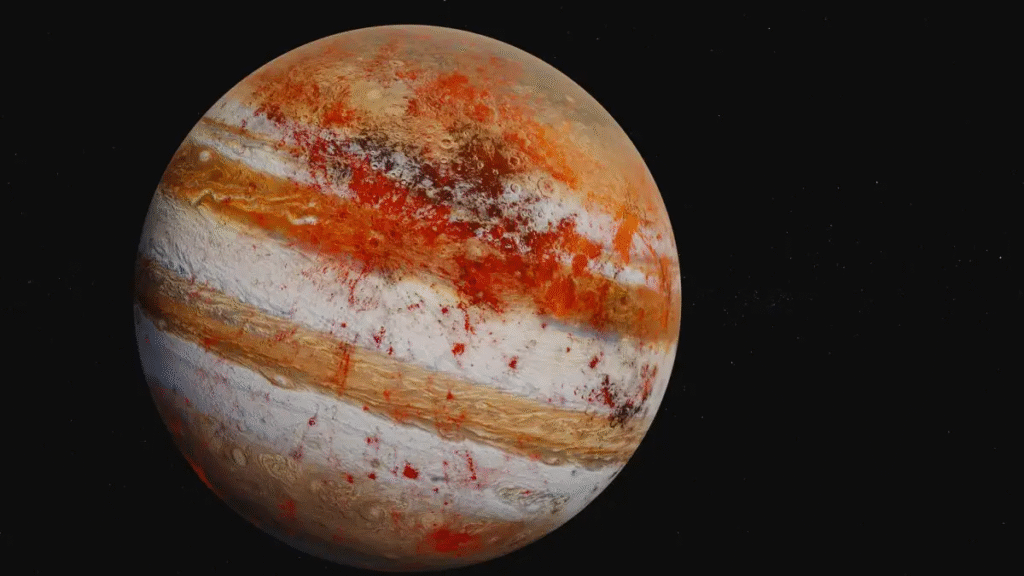
Jupiter is the largest planet in our Solar System, known for its storms and massive size.
- Famous Feature: The Great Red Spot is a storm bigger than Earth that has lasted centuries.
- Moons Galore: Jupiter has 95 known moons, with Ganymede being the largest in the Solar System.
7. Saturn: Rings of Wonder
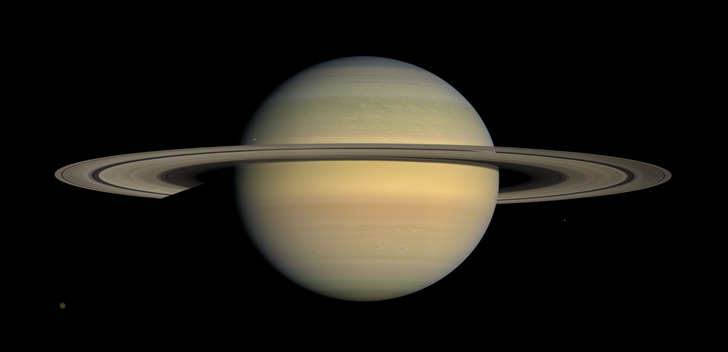
Saturn is famous for its stunning rings, made of ice and rock particles.
- Personal Fascination: When I first saw Saturn through a telescope, I couldn’t believe something so beautiful exists in space.
- Mystery: Scientists are still exploring how these rings formed and why they are so bright.
8. Uranus and Neptune: The Ice Giants
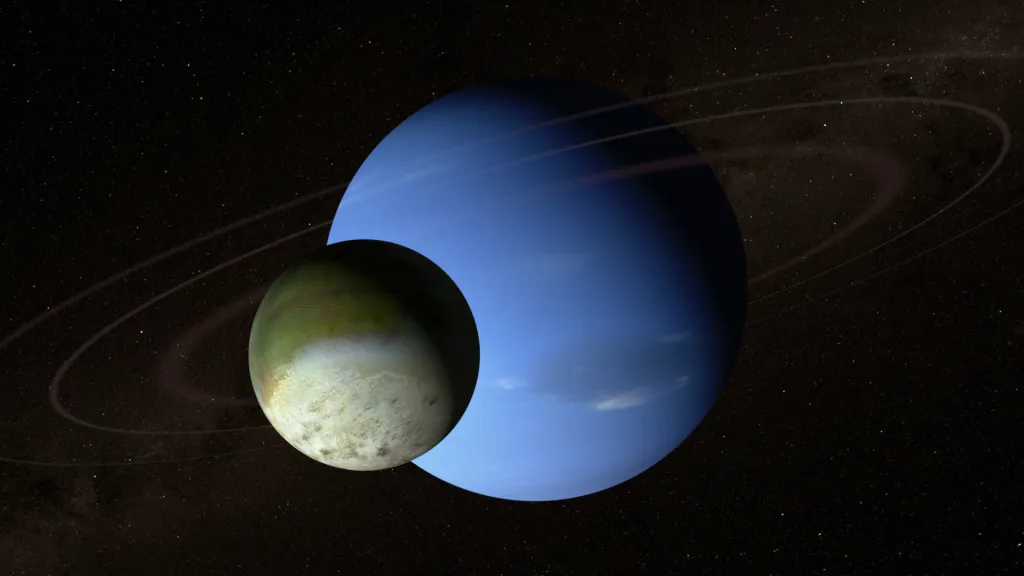
The outer planets hold their own mysteries.
- Uranus: Spins on its side, giving extreme seasons that last decades.
- Neptune: Known for supersonic winds, faster than any on Earth, and its deep blue color caused by methane.
- Fun Fact: Both planets are “ice giants” because of their cold atmospheres rich in water, ammonia, and methane ice.
9. The Dwarf Planets: Pluto and Beyond

Dwarf planets like Pluto, Eris, and Ceres remind us that our Solar System is full of surprises.
- Pluto’s Secrets: Despite being small, Pluto has mountains, valleys, and even a thin atmosphere.
- Beyond Pluto: The Kuiper Belt, home to many icy worlds, shows that the Solar System stretches far beyond what we see.
10. Asteroids, Comets, and Meteors
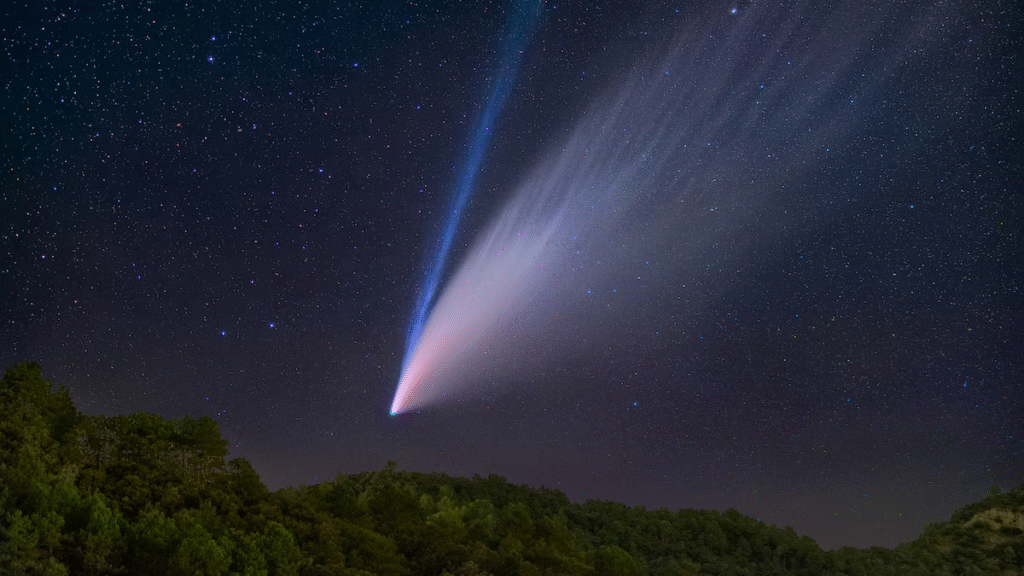
These smaller celestial bodies are leftovers from the formation of the Solar System.
- Personal Insight: Watching a meteor shower is magical; it feels like the universe is giving us a light show just for fun!
- Importance: Studying them helps scientists understand the origins of our Solar System.
Conclusion
Exploring the Solar System is like reading a never-ending story of wonders, mysteries, and cosmic beauty. Each planet, moon, and asteroid has its own secret, waiting to be discovered. As humans continue to explore space, who knows what incredible discoveries await us in the vastness of our cosmic neighborhood?
Personal Reflection: The more I learn about our Solar System, the more I appreciate the beauty and fragility of Earth. Space exploration inspires curiosity, imagination, and a sense of responsibility to protect our home planet.
This blog is intended for educational and informational purposes. The content is based on scientific studies and personal observations.
#SolarSystemExploration #CosmicSecrets #SpaceLovers #PlanetsAndStars #AstronomyForEveryone #UniverseWonders #SpaceDiscovery #Carrerbook #Anslation
Leave a Reply