
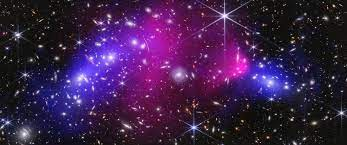
Astrophysics is the fascinating branch of science that helps us understand the universe. From the tiniest particles to gigantic galaxies, it explains how everything in space behaves, interacts, and evolves. Through astrophysics, we can unlock the secrets of stars, black holes, and even the origins of the universe itself.
1. What is Astrophysics?
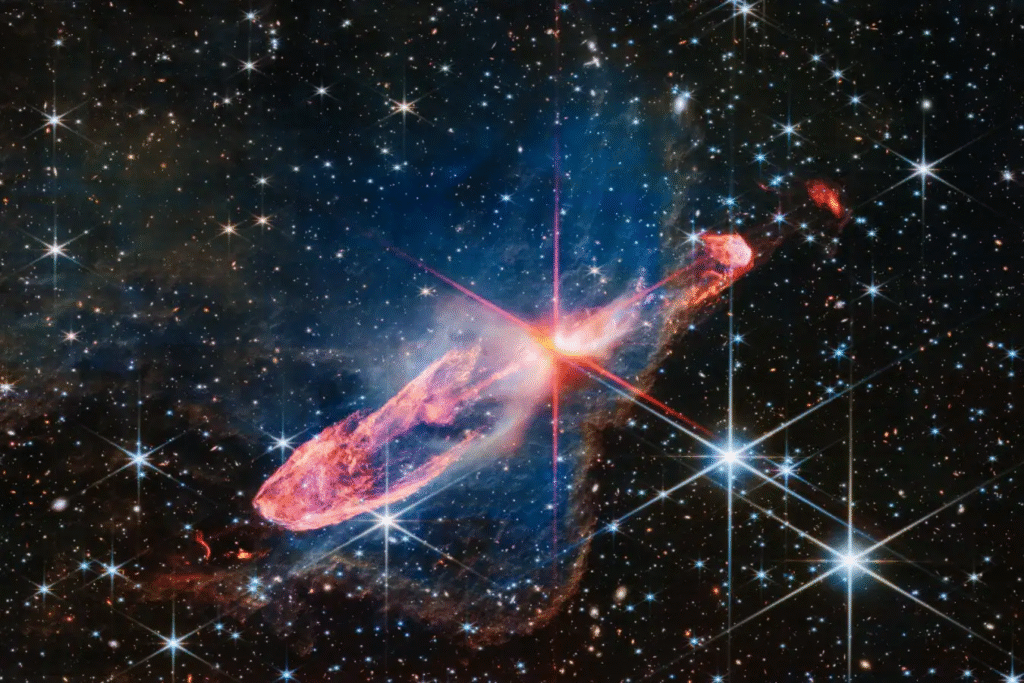
Astrophysics applies the laws of physics and mathematics to understand celestial objects. Unlike general astronomy, which mostly observes the sky, astrophysics explains why things happen in space. It helps scientists uncover the mechanics behind the light from stars, the orbit of planets, and the life cycle of galaxies.
2. Core Areas of Astrophysics:
- Stellar Astrophysics: Studies stars, their formation, life cycles, and death.
- Galactic Astrophysics: Focuses on the structure, formation, and evolution of galaxies.
- Cosmology: Explores the origin, evolution, and eventual fate of the universe.
- High-Energy Astrophysics: Examines extreme events like supernovae, neutron stars, and gamma-ray bursts.
3. Key Concepts to Understand:
- Light-Year: The distance light travels in one year (~9.46 trillion km).
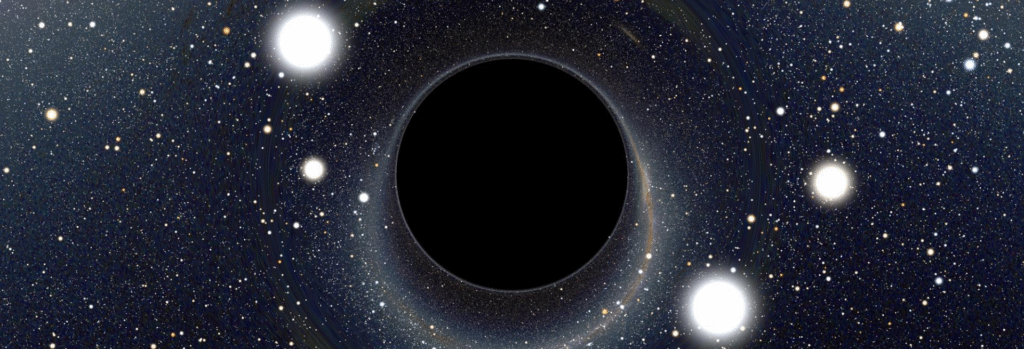
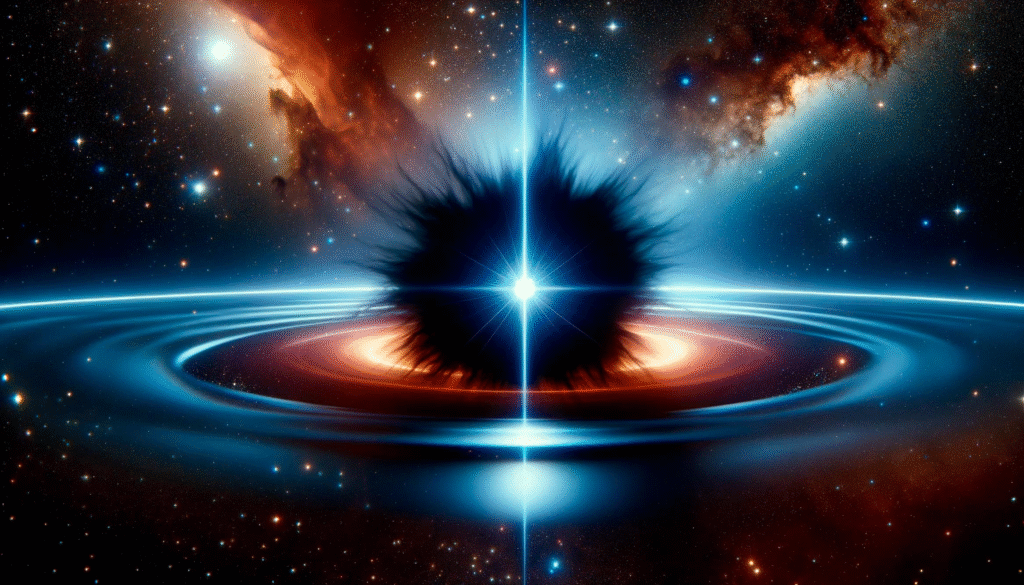
- Black Holes: Regions in space with gravity so strong that even light cannot escape.
- Dark Matter & Dark Energy: Invisible components that make up most of the universe.
- Supernova: The explosive death of a star, often forming neutron stars or black holes.
4. Why Astrophysics Matters:
- Understanding the Universe: Helps answer big questions like the origins of stars and planets.
- Technological Advances: Instruments developed for space studies improve communication, imaging, and computing technologies.
- Inspiration & Curiosity: Encourages exploration, innovation, and a sense of wonder about the cosmos.
5. Recent Discoveries in Astrophysics:

- Detection of thousands of exoplanets, some potentially habitable.
- Observations of gravitational waves, confirming Einstein’s theories.
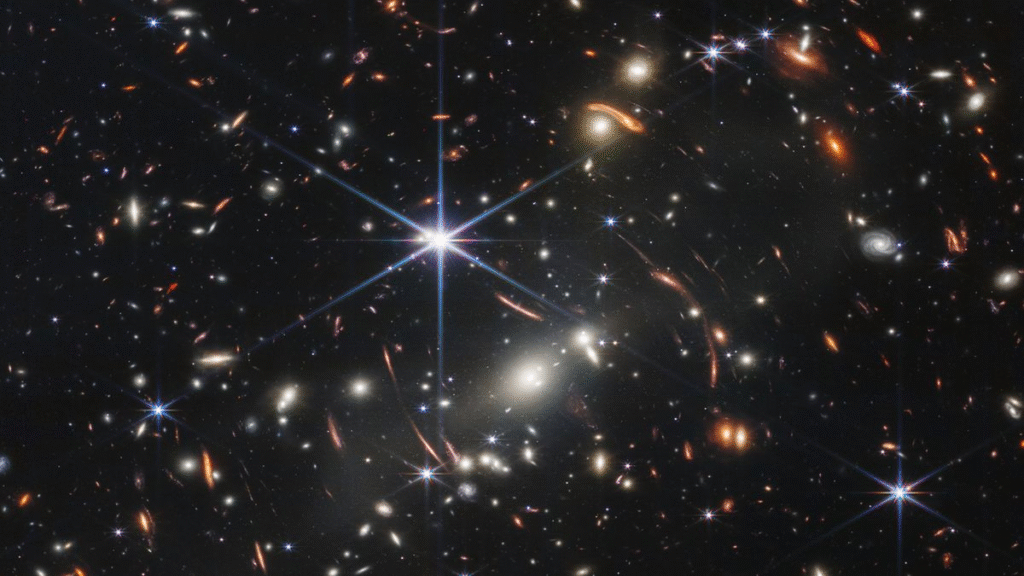
- James Webb Space Telescope revealing deep-space galaxies and star formations.
6. The Role of Gravity in Astrophysics
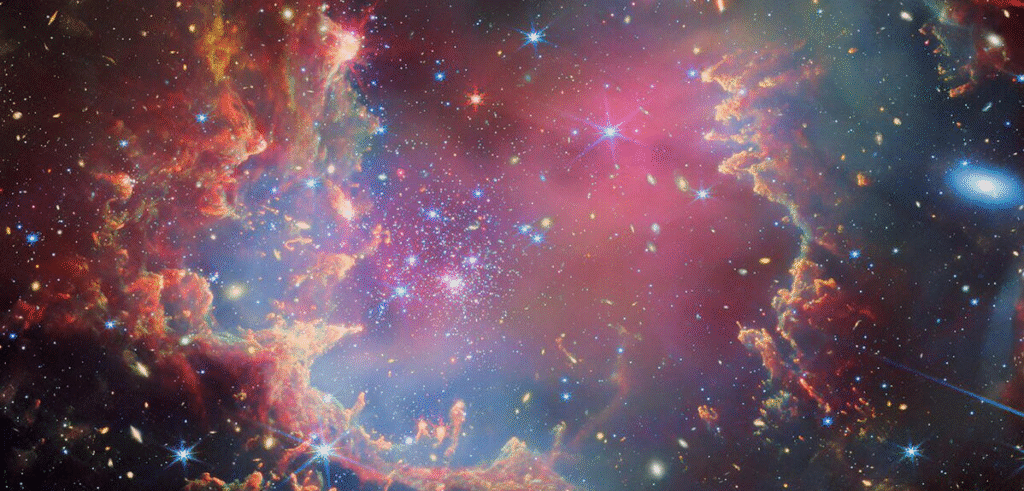
Gravity is the fundamental force that governs the behavior of celestial objects. From the orbits of planets to the formation of black holes, gravity is responsible for much of what happens in space. Newton’s Laws of Motion and Einstein’s Theory of General Relativity are central in understanding how gravity shapes the universe.
Key aspects include:
- Orbits of Planets and Moons: Gravity keeps planets in orbit around stars and moons around planets.
- Black Holes and Singularities: In a black hole, gravity becomes so intense that it warps spacetime, making it impossible for anything to escape.
7. The Big Bang Theory and Cosmic Evolution
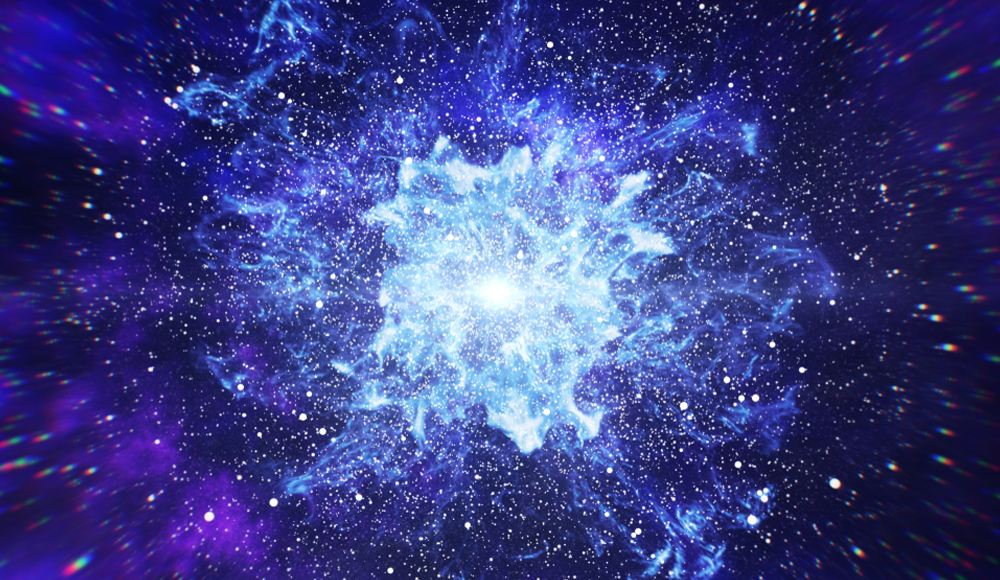
One of the most important concepts in astrophysics is the Big Bang Theory, which describes the origin of the universe. According to this theory, the universe began as a singularity—an infinitely small and dense point—and rapidly expanded over 13.8 billion years, giving rise to everything we see today.
Key points in cosmic evolution include:
- Cosmic Microwave Background Radiation (CMB): The leftover radiation from the Big Bang, which provides a snapshot of the early universe.
- Formation of Elements: In the early universe, light elements like hydrogen and helium formed, eventually leading to the creation of stars and galaxies.
8. The Expanding Universe and Dark Energy
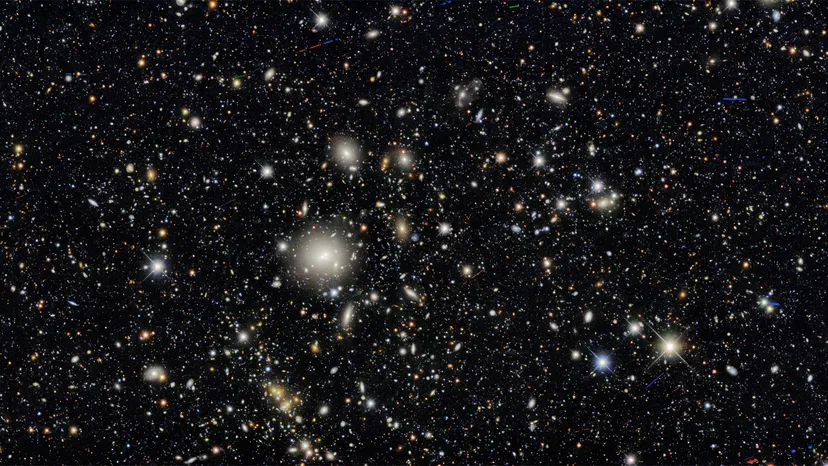
One of the most mind-boggling discoveries in astrophysics is the fact that the universe is expanding. The discovery of dark energy, a mysterious force driving this acceleration, has changed our understanding of the cosmos.
Key facts about dark energy include:
- Accelerating Expansion: Observations of distant galaxies show that the universe is expanding faster now than in the past.
- 70% of the universe’s energy density is dark energy, yet its exact nature is still a mystery.
9. The Search for Life Beyond Earth

Astrophysics plays a crucial role in the search for life beyond Earth, a field known as astrobiology. By studying exoplanets (planets outside our solar system) and analyzing their atmospheres, scientists aim to identify conditions that could support life.
Key efforts in the search for life include:
- Exoplanet Detection: Hundreds of exoplanets have been discovered, many in the “habitable zone,” where conditions may be right for liquid water to exist.
- Mars and Moons of Jupiter and Saturn: Rovers and probes continue to study places like Mars, Europa, and Enceladus for signs of microbial life.
10. The Role of Telescopes in Astrophysics
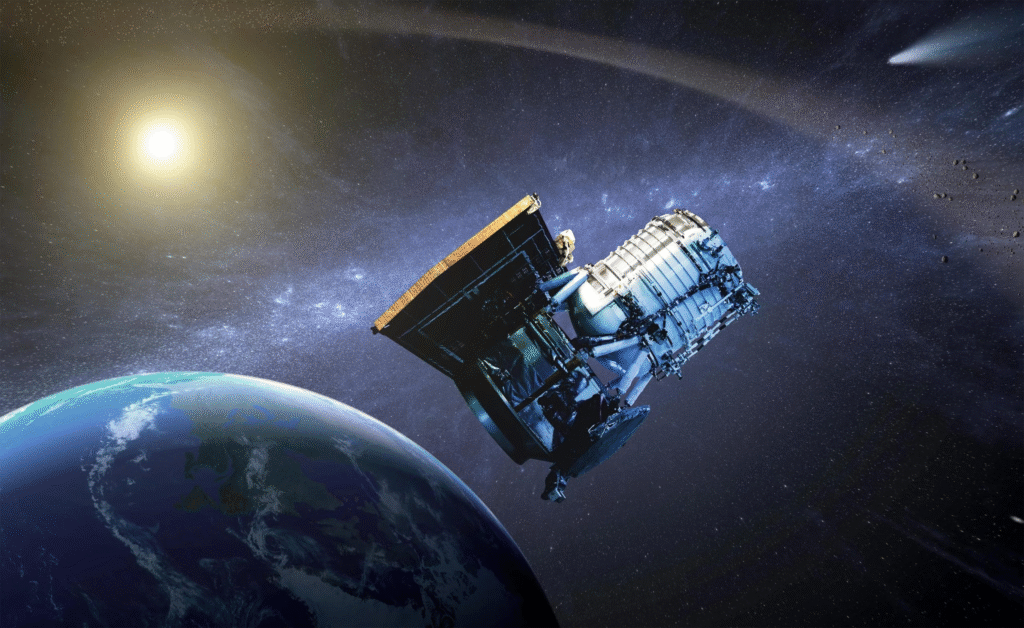
Telescopes are the most powerful tool in astrophysics, allowing scientists to explore the universe in ways unimaginable just a century ago. From optical telescopes to radio and space telescopes, each type gives us a different view of the cosmos.
Major telescopes include:
- Hubble Space Telescope: Gave us stunning images of distant galaxies and nebulae.
- James Webb Space Telescope: The most advanced telescope to date, set to observe the deepest parts of the universe.
- Radio Telescopes (e.g., Arecibo): Allow scientists to study cosmic radio waves emitted by celestial objects like black holes and pulsars.
Conclusion:
Astrophysics is more than just a study of space—it’s a key to understanding our place in the universe. By studying stars, galaxies, and cosmic events, we not only satisfy human curiosity but also develop technologies and knowledge that impact our lives on Earth.
This blog is written for educational purposes and provides general knowledge about astrophysics and space science.
#Astrophysics #SpaceScience #Universe #Stars #Galaxies #BlackHoles #Cosmology #Exoplanets #ScienceFacts #SpaceExploration #Carrerbook #Anslation
Leave a Reply