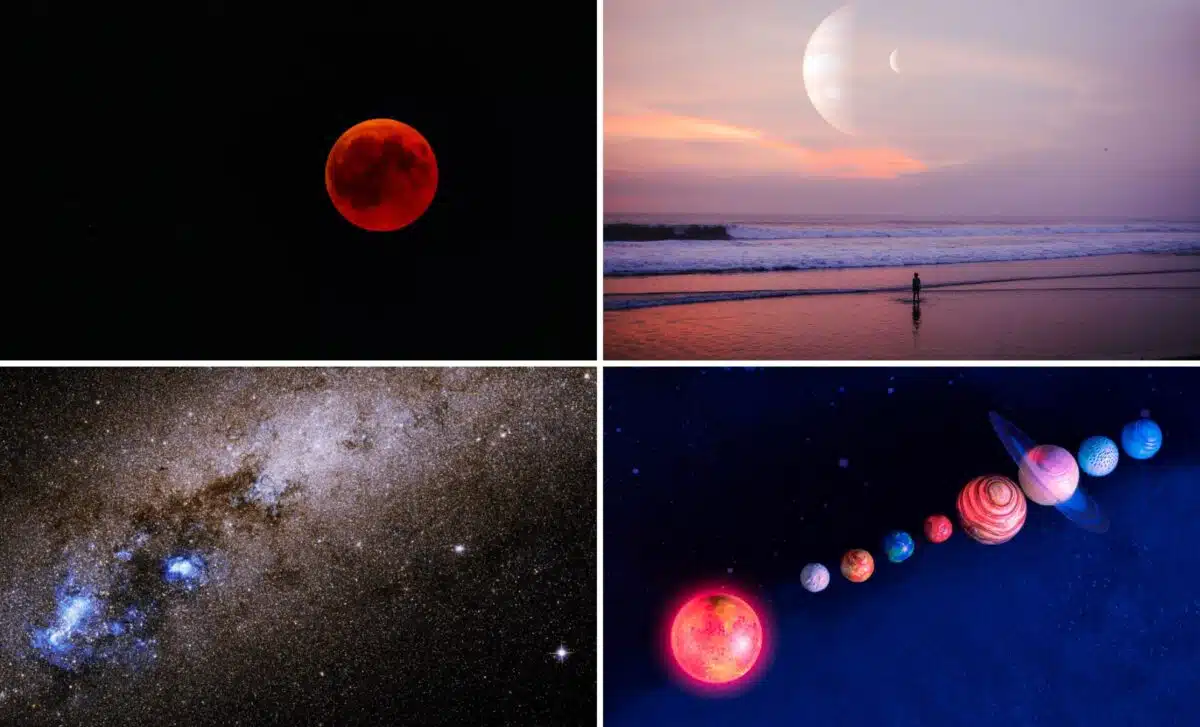
The night sky is full of wonders, and every year brings new opportunities to witness jaw-dropping celestial events. From meteor showers to planetary alignments, the universe never fails to impress. Whether you’re a passionate stargazer or just starting your astronomical journey, this guide highlights 10 must-see celestial events that will make 2025 unforgettable.
1. Quadrantid Meteor Shower — January
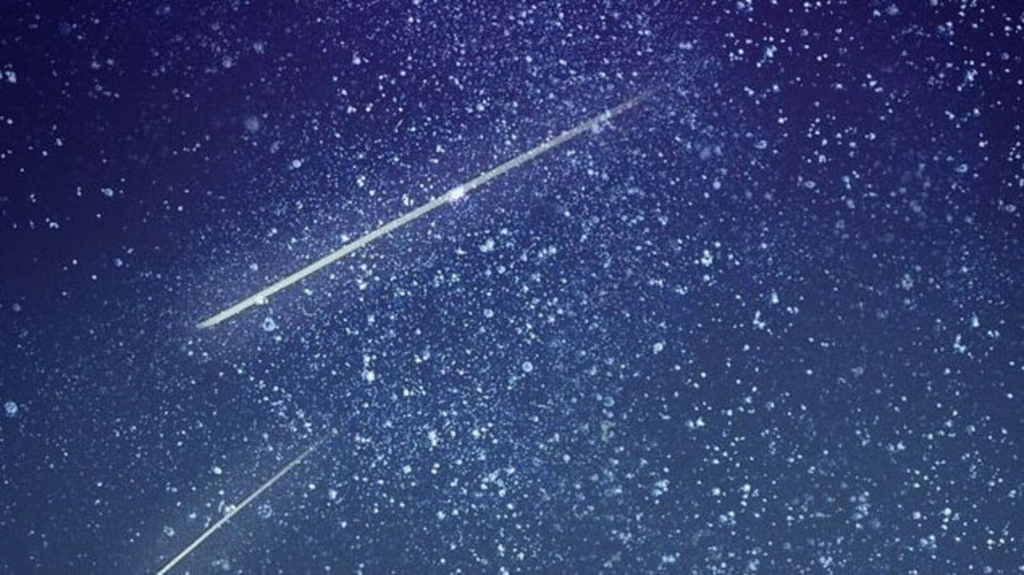
Kick off the year with the Quadrantid meteor shower, one of the brightest and most active displays of the year. Expect up to 100 meteors per hour at its peak, best viewed after midnight under a dark sky.
Best Viewing Tip: Find an area away from city lights and give your eyes 15 minutes to adjust.
2. Total Lunar Eclipse — March

A total lunar eclipse will cast the Moon in a copper-red glow, commonly called a “Blood Moon.” It’s visible across Asia, Australia, and parts of North America.
Don’t Miss: This event requires no telescope — just clear skies and a good vantage point.
3. Jupiter at Opposition — April

When Jupiter reaches opposition, it’s closest to Earth and fully illuminated by the Sun. The giant planet will shine brighter than any other object except the Moon and Venus.
Observation Tip: A small telescope can reveal its cloud bands and the famous Great Red Spot.
4. Eta Aquarid Meteor Shower — May

Originating from Halley’s Comet, this meteor shower peaks in early May. The meteors appear to radiate from the constellation Aquarius.
Pro Tip: Best viewed from the Southern Hemisphere during the pre-dawn hours.
5. Summer Solstice — June

The longest day of the year marks the official start of summer in the Northern Hemisphere. It’s the perfect time for daytime sky observations and solar photography.
6. Perseid Meteor Shower — August
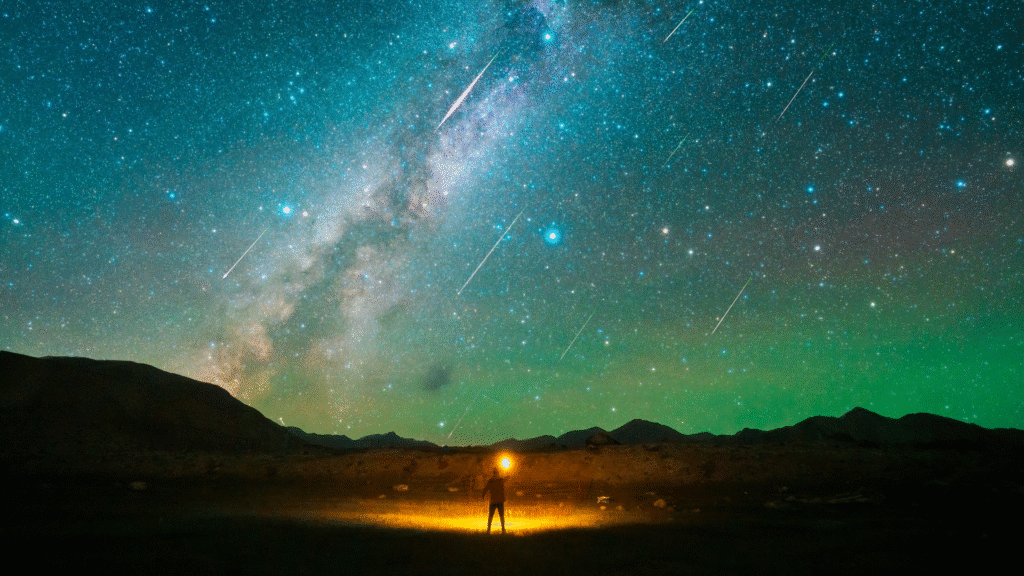
One of the most popular meteor showers, the Perseids peak in mid-August, producing bright and frequent meteors.
Viewing Advice: Look northeast after midnight — no telescope needed.
7. Partial Solar Eclipse — September
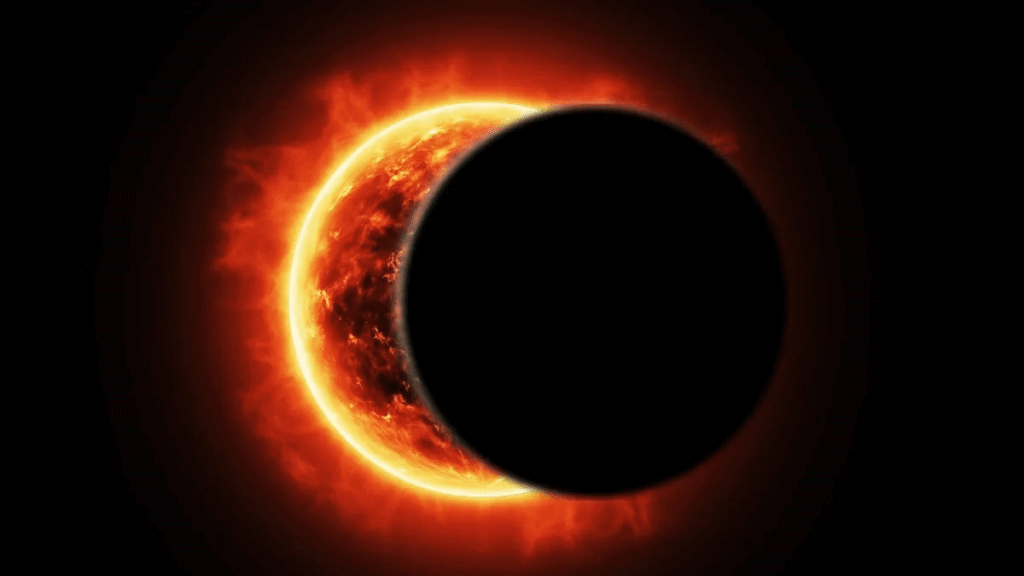
A rare partial solar eclipse will be visible from parts of Europe and Asia. Always use certified solar viewing glasses to protect your eyes.
Fun Fact: Even a 70% coverage can noticeably dim daylight.
8. Saturn at Opposition — October
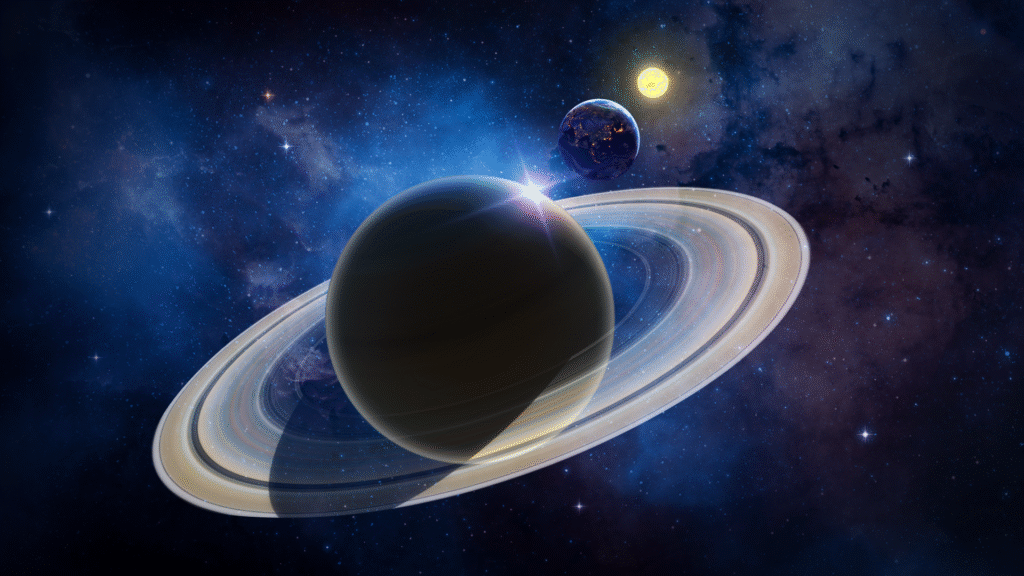
When Saturn is opposite the Sun, its rings and moons are clearly visible through a telescope. This is the best time of year to photograph the ringed planet.
9. Orionid Meteor Shower — October
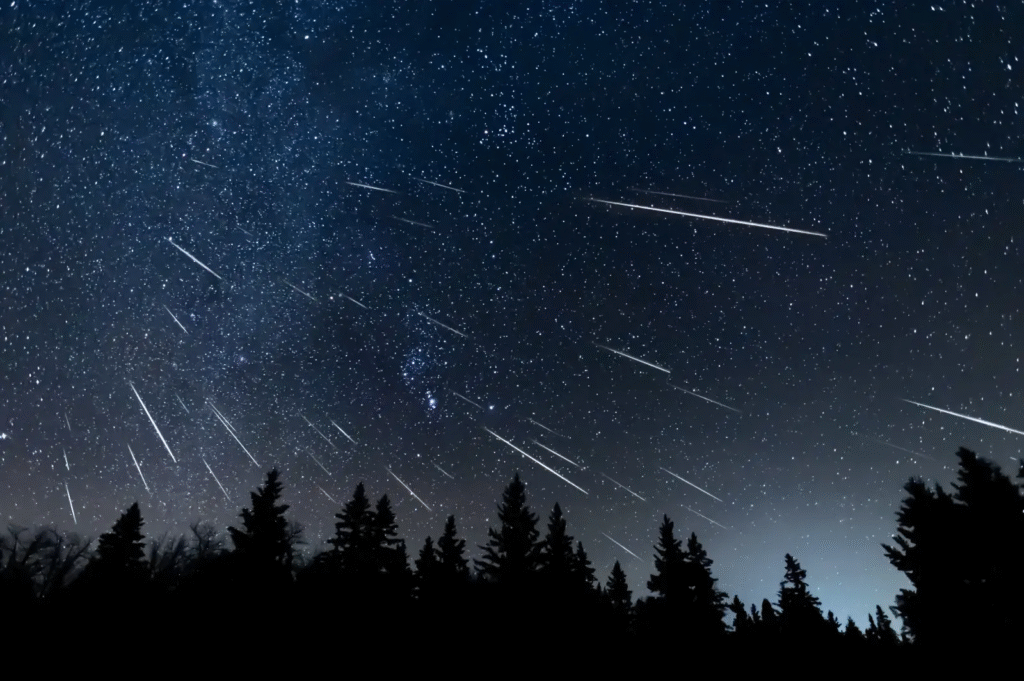
Another shower from Halley’s Comet debris, the Orionids peak around October 21. Expect about 20 meteors per hour with long, glowing trails.
Best Time: Early morning hours before dawn.
10. Geminid Meteor Shower — December
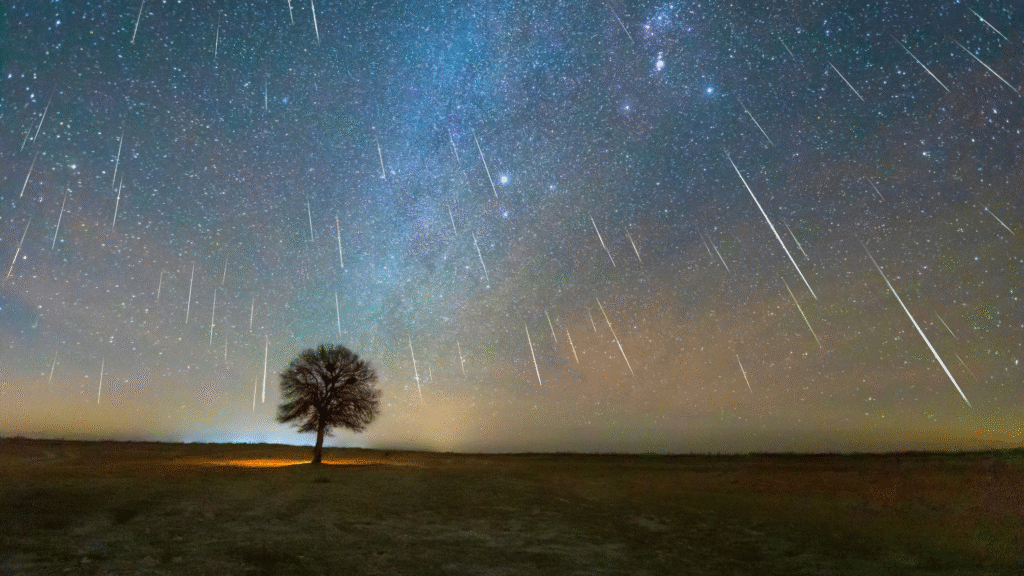
End the year with a showstopper. The Geminids are often the strongest meteor shower of the year, producing multicolored meteors.
Viewing Tip: Peak nights around December 13–14 — bundle up and enjoy!
Final Thoughts
2025 is shaping up to be a remarkable year for skywatchers. Each event offers a new way to connect with the cosmos — whether you’re using advanced gear or simply gazing with the naked eye. Remember, patience and dark skies are your best tools for celestial observation.
#Astronomy #Stargazing #CelestialEvents #NightSky #SpaceLovers #SkyWatchers #AstronomyLovers #Astrophotography #Cosmos #Universe #Carrerbook #Anslation
Leave a Reply