
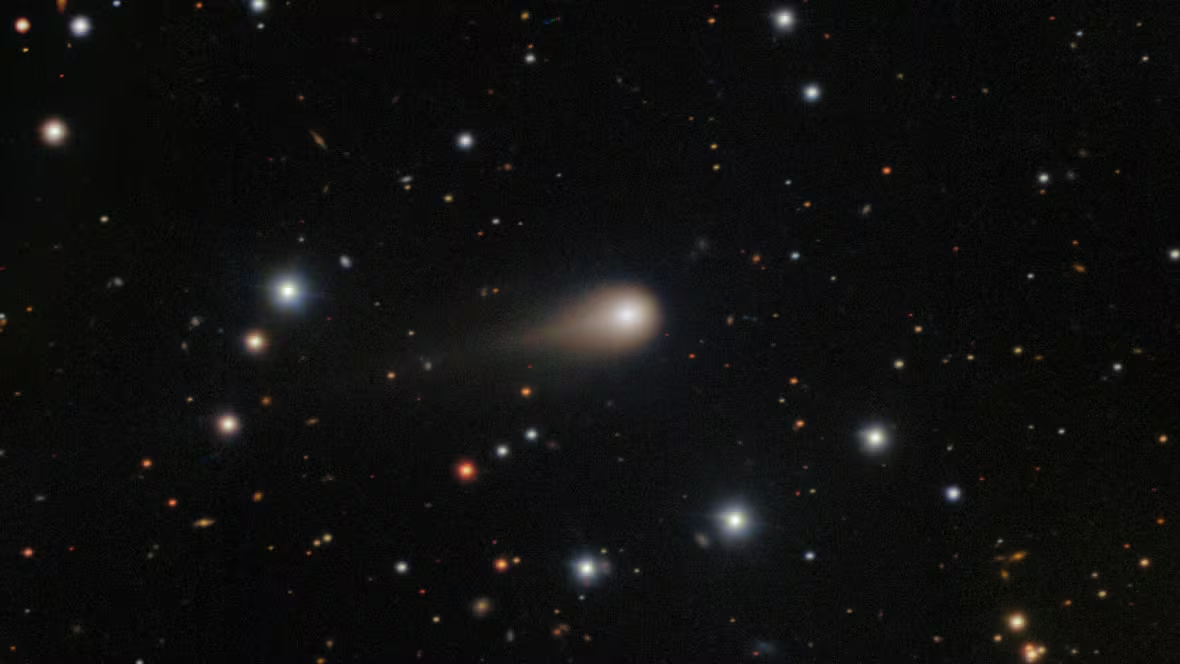
There’s something truly magical about looking up at a clear night sky filled with twinkling stars. Whether you’re watching a meteor shower, identifying constellations, or just soaking in the calmness of the cosmos, stargazing can be one of the most relaxing and rewarding hobbies you can have. If you’ve ever wanted to explore the night sky but didn’t know where to begin, this guide is for you.
1. Find the Perfect Spot Away from City Lights
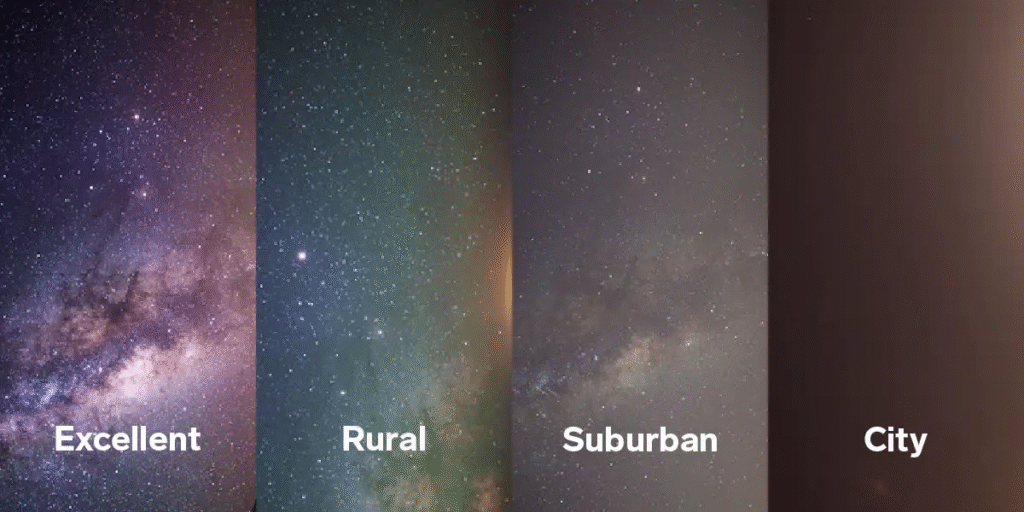
Light pollution is the biggest enemy of stargazing. The more artificial lights around you, the fewer stars you’ll see. Try heading out to a quiet countryside, beach, or hilltop away from city glare. Apps like Light Pollution Map can help you find dark-sky locations near you.
Tip: The darker the sky, the more breathtaking the view.
2. Start with Your Naked Eyes

You don’t need expensive equipment to start. Your naked eyes are the best tools for your first few nights. Spend some time just looking up—observe how the stars move, find patterns, and locate bright planets like Venus, Jupiter, or Saturn.
Try identifying constellations like Orion, Ursa Major (Big Dipper), or Cassiopeia—they’re easy to spot!
3. Know the Best Time to Stargaze
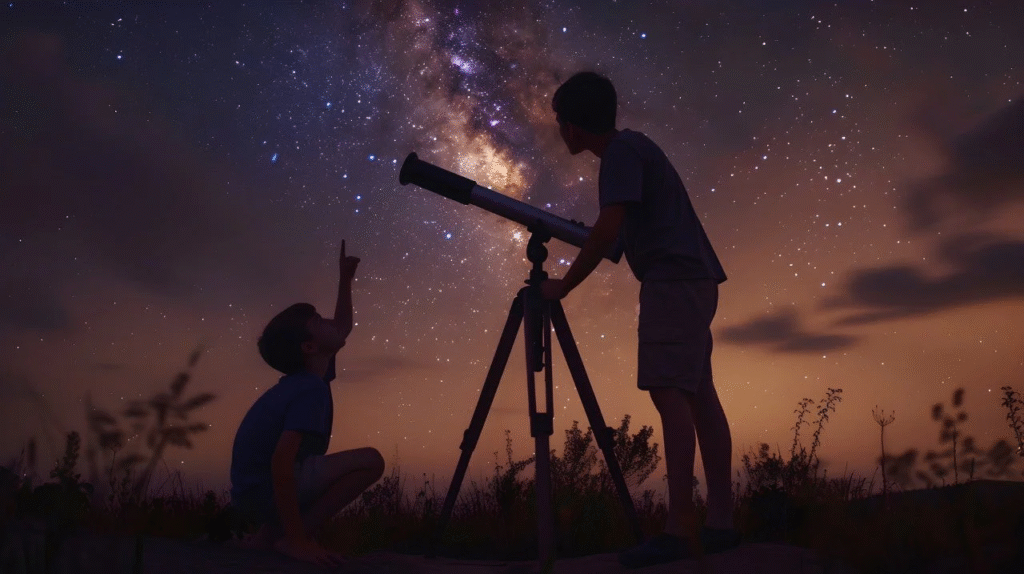
The best time for stargazing is during a new moon or when the moon is not too bright. Also, wait until after 9 PM, when the sky is fully dark. Clear, cloudless nights in winter or early spring often provide the best visibility.
4. Use Stargazing Apps for Guidance

Technology can make your stargazing experience even better! Download apps like SkyView, Star Walk 2, or Stellarium. Simply point your phone to the sky, and these apps will tell you what stars, planets, and constellations you’re looking at in real-time.
5. Dress Comfortably and Be Patient

Stargazing is best enjoyed when you’re relaxed. Carry a warm jacket, a blanket, and maybe some snacks or a thermos of coffee. It can take time for your eyes to adjust to the dark, so be patient—after 20–30 minutes, you’ll start to notice many more stars than you first saw.
6. Try Astrophotography (Optional but Fun!)

Once you’re comfortable identifying stars, try capturing them. You don’t need a professional camera—modern smartphones with night mode can do wonders. For better results, use a tripod and a manual exposure setting. Experiment and have fun!
7. Join a Stargazing Community

Astronomy clubs or local stargazing events are a great way to learn more. You’ll meet enthusiasts who can help you identify constellations, use telescopes, and even spot distant galaxies. Plus, sharing the sky with others adds to the experience.
8. Invest in Basic Equipment Gradually
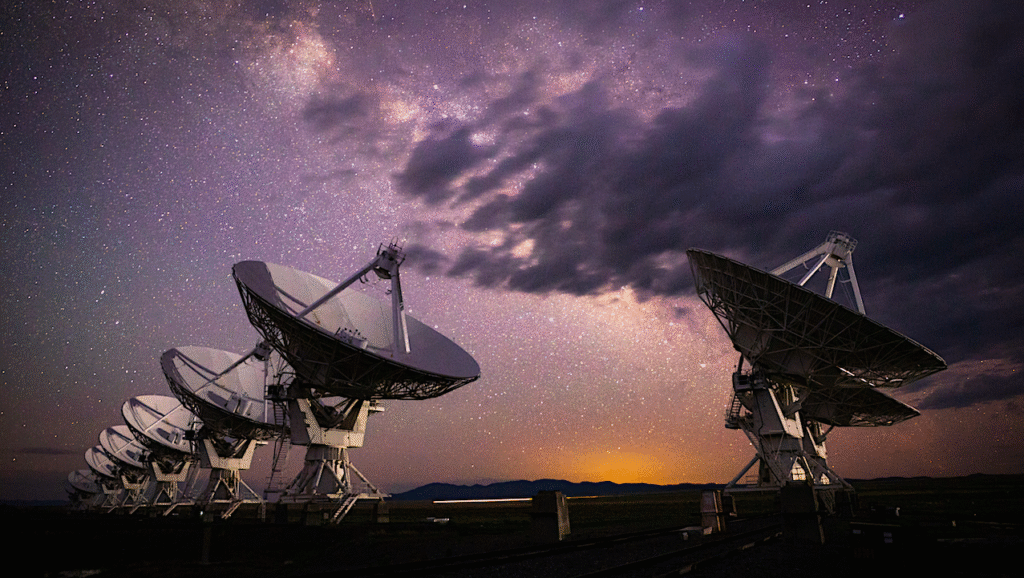
Once you’re comfortable, upgrade to a pair of binoculars (like 10×50) before buying a telescope. They’re lightweight, portable, and perfect for spotting the Moon’s craters, Jupiter’s moons, and Saturn’s rings.
A telescope can come later once you know what interests you most—planets, nebulae, or galaxies.
9. Learn to Read Star Maps
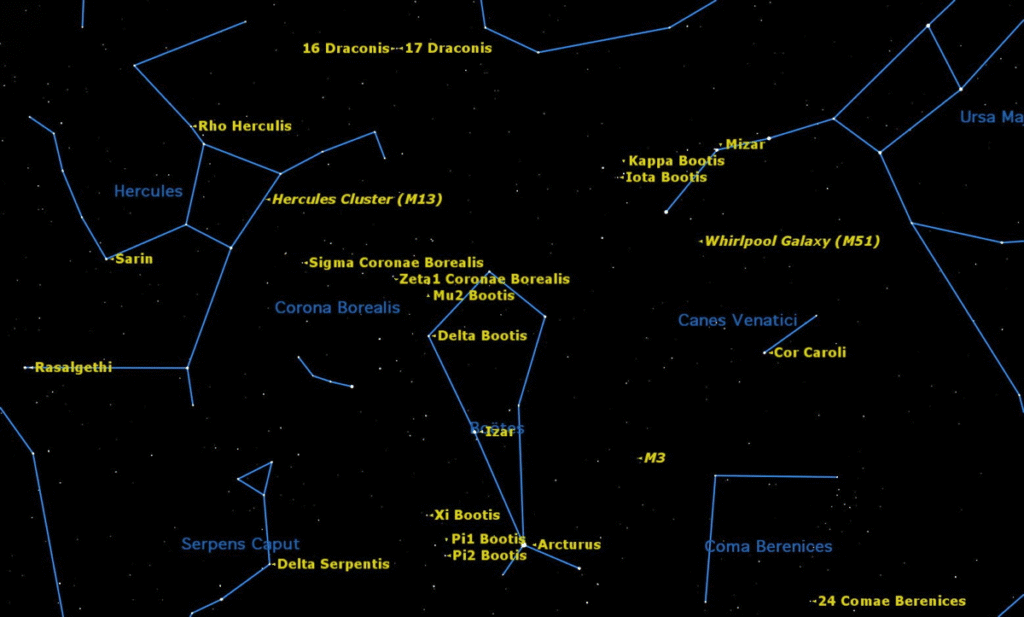
A star map (or planisphere) shows how the sky looks at any time of year. Learning to use one makes your experience more rewarding—you’ll start recognizing the relationship between stars and constellations.
10. Follow Astronomy Events

Join online astronomy communities or check NASA’s event calendar for upcoming cosmic events. Meteor showers like the Perseids or Geminids, or eclipses, can turn any night into an unforgettable experience.
Final Thoughts
Stargazing isn’t just about looking at stars—it’s about connecting with the universe. In today’s fast-paced world, spending a few quiet minutes under the open sky can feel almost spiritual. So grab a mat, step outside, and let the night sky tell you its stories.
Bonus Tip:
Keep a stargazing journal. Note down what you see each night—constellations, planets, or special events like meteor showers. Over time, you’ll start recognizing patterns and watching the sky evolve through the seasons.
#StargazingTips #NightSkyLovers #AstronomyForBeginners #SpaceWonder #CosmicVibes #StarryNight #SkyWatching #CelestialMagic #Carrerbook #Anslation
Leave a Reply